Monday, May 27, 2019

May Class -2) Using Seasonal Plant Materials

2) Using Seasonal Plant Materials

There is no problem for finding seasonal (Spring) plant materials for 2nd assignment, there are plenty of in my garden. I arranged it in Horizontal style with ceramic vase. All the plant materials' name I post below.
My arrangement in class
Tried at home before class

Iris
Weigelia
Solomon Seal
Lilac
Peony
Peony

Friday, May 24, 2019

My garden (2)

I am so delighted about my back yard garden this time of year! Thanks to the April Showers! There are blooming flowers of Azalea, Peony, rose, regular Iris and Japanese Iris.


April Showers bring May Flowers (1)

April showers bring May flowers! Indeed. We have just enough rain for this Spring. The grass, the trees are so green and my flower garden are so luscious! They are all my possible Ikebana materials that I can use if I wish to... .

back yard garden
Japanese Iris
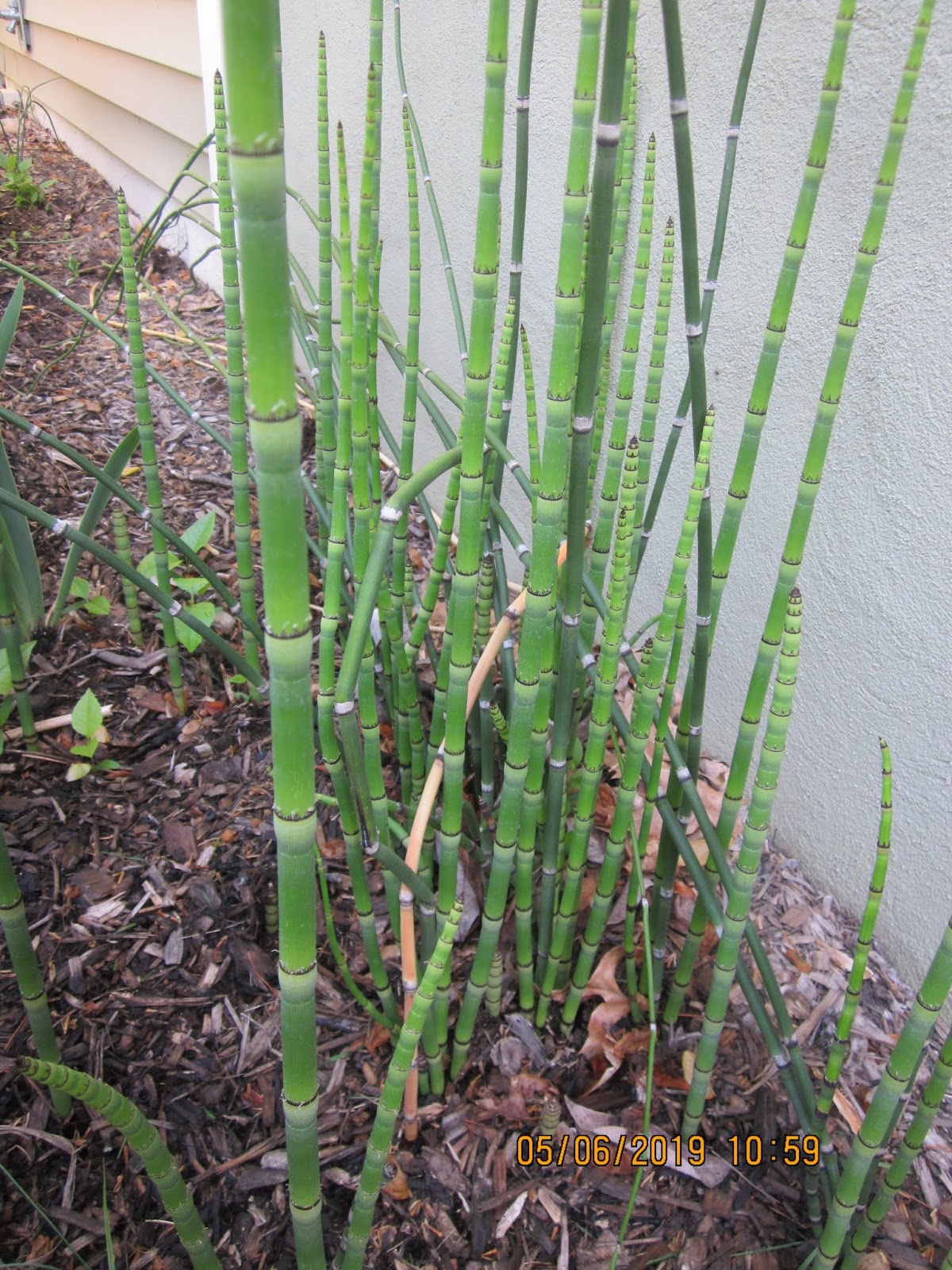
horse tail
allium

tree peony
tree peony


Clivia Lily (house plant)

Forget me not ?
Tulip from Holland Ridge Farm N J

Thursday, May 2, 2019

My Orchids

Every time I think about my orchids, I feel so bad and sad. Ever since I moved to this house, my poor orchids have not been doing well at all! They don't look healthy. I've gradually lost my enthusiasm. Looking back at my orchids blog, the glory time of my orchids has gone(榮景不再). My heart aches. I've mentioned before the reasons why are: 1) the chemicals to soften our water is not good for the plants; 2) the sunlight comes into my sun room differently, and so is not bright enough; 3) I've gotten lazy and am busier with my ikebana, plus I'm getting older. They need so much of my physical attention during indoor windowsill time (watering); 4) the outdoor location is not as suitable as old house location.
I have not been post my orchids since last December. Even though I still have one blooming orchid for each month. Below are my three long lasting orchids.


Wednesday, April 24, 2019

Hata Sensei class in April - Japanese Narcissus (lesson1) and composition with Curved Line (lesson2)

Lesson 1): Japanese Narcissus ( book 5 )
How to do Hagumi: "Rub the Narcissus sheath to soften it and pull out the flower stem, the inner leaves and outer leaves to part them. Then rearrange these parts with due attention paid to getting the height difference between the flower stem and the leaves as well as the direction of the leaves".
So, Sensei brought Narcissus to everyone, $5 dollars a bunch. She taught us how to do Hagumi.
I also brought some daffodils from my garden. Miniature and regular kind, see below:
My arrangement
Hata Sensei's domo arrangement
midoli Sensei's arrangement

Lesson 2): Composition with Curved Line - Sensei show us how to bent the pussy willow
Hata Sensei's demo arrangement 
My curved line composition
 Sensei's comment: change brighter container will be perfect

Two or More containers- Lesson 3

Lesson 3): Two or More Containers
I thought it would be unique! A white, tall ceramic Japanese vase and a black, moon shaped metal  container combined together as a whole arrangement that was my first idea design.
The materials for both containers were Japanese quince and Japanese white pine. I cut them from my back garden. 

Friday, April 19, 2019

Free Style Using Japanese Quince

The container has a wide open mouth. I used a piece of tree root as a fixing structure in order to put other materials in place without difficulty.
Material: Japanese quince, daffodile, pine and black painted branch
Container: Red and black ceramic vase

Composition of Surfaces by Using Leaves

There are five Magnolia trees in my yard. Their leaves have two colors on both sides, front and back. They are evergreen, and their leaves are shiny all year long. Their big white flowers are very pretty and fragrant, but short lived. I use the leaves for my arrangement, "Composition of Surfaces by Using Leaves." and the flower is a daffodil.